
As Colorado invests in smarter infrastructure and modern mobility, Intelligent Traffic Systems (ITS) are becoming a key part of the state’s transportation strategy. Whether navigating I-25 in Denver, approaching Eisenhower Tunnel, or commuting across the US 36 corridor, drivers are increasingly supported by real-time traffic technologies that rely on fiber optic infrastructure buried beneath the roadway.
But before fiber can connect these smart systems, it must be installed safely, efficiently, and with minimal disruption—which is why directional drilling is the preferred method for ITS construction across Colorado.
What Are Intelligent Traffic Systems (ITS)?
Intelligent Traffic Systems are advanced networks of sensors, communications, and control technologies designed to improve traffic flow, reduce congestion, and increase roadway safety. These systems operate in real time and are managed through centralized Traffic Operations Centers (TOCs), such as those operated by CDOT and Denver’s Department of Transportation and Infrastructure (DOTI).
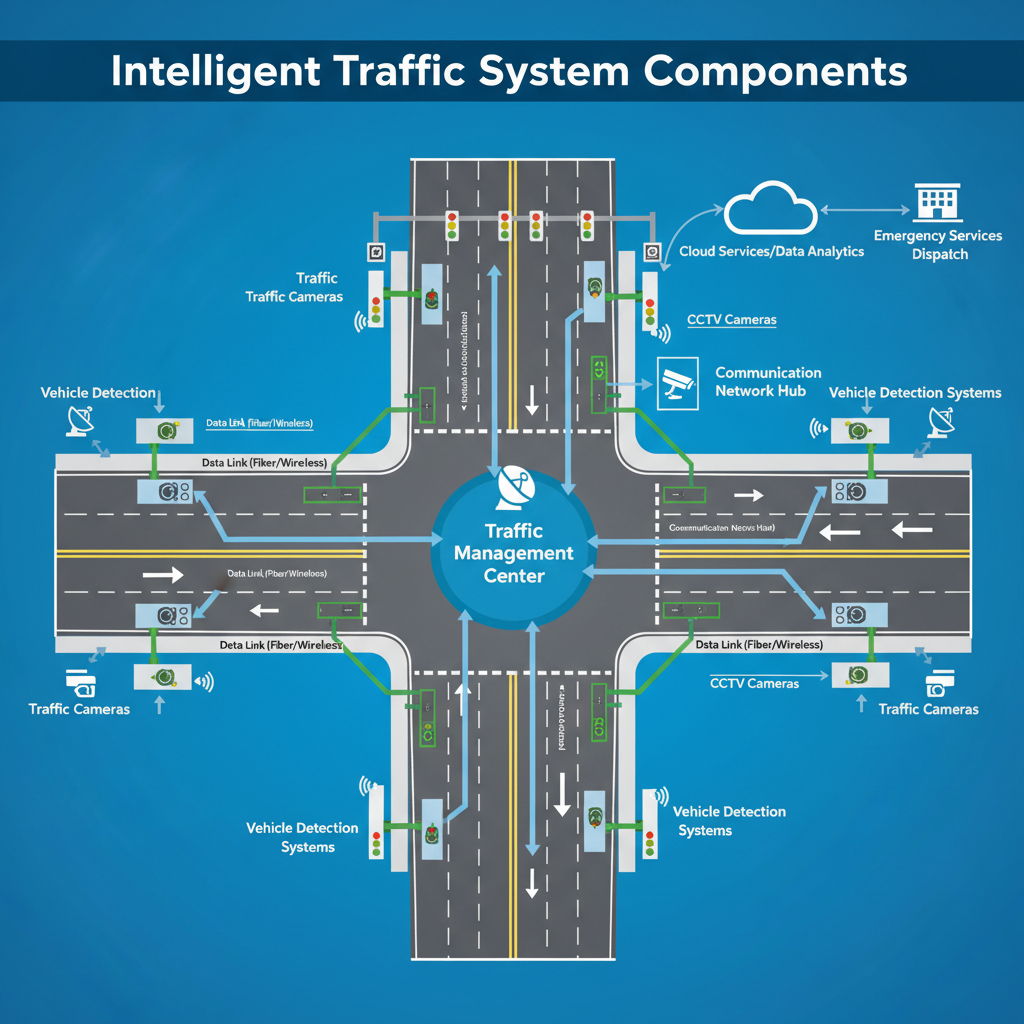
Common ITS components installed along Colorado highways and arterials include
-
Dynamic Message Signs (DMS): Used to display travel times, Amber Alerts, or weather advisories.
-
Closed-Circuit Television (CCTV) Cameras: For real-time traffic monitoring and incident detection.
-
Adaptive Traffic Signal Systems: Adjust signal timing based on actual traffic conditions.
-
Roadway Weather Information Systems (RWIS): Sensors that monitor temperature, precipitation, and road surface conditions.
-
Ramp Meters: Control vehicle entry onto highways to improve merge efficiency.
-
Vehicle Detection Systems: Track traffic volumes and speeds using loops or radar.
These systems are typically deployed along interstates like I-25, I-70, and I-225, major state highways (e.g., US 36, SH 470), and urban corridors throughout the Denver metro area, Colorado Springs, Fort Collins, and mountain passes where real-time weather and traffic monitoring are critical.
All of these systems require high-speed, low-latency fiber optic communication—making buried fiber infrastructure a foundational element of ITS.
What Is Directional Drilling, and Why Does ITS Depend on It?
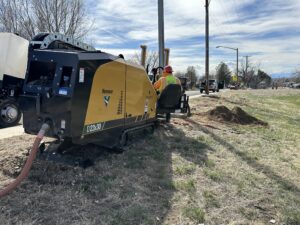
Directional drilling (also called horizontal directional drilling or HDD) allows underground conduit and fiber to be installed without open trenching. Instead of tearing up pavement or cutting through natural barriers, HDD uses guided bore machines to install conduit precisely beneath roads, rivers, rail lines, and sensitive areas.
For ITS deployments—such as traffic signal interconnects, dynamic message signs, CCTV systems, and weather/roadway sensors—this method is essential. HDD enables:
-
Minimal traffic disruption, critical in dense areas like I-225, I-470, and Denver arterials.
-
Faster installation timelines, which supports the tight seasonal deployment schedules set by CDOT and city agencies.
-
Preservation of surface infrastructure, especially in areas where asphalt or concrete repairs would be costly and time-consuming.
-
Improved safety for both construction crews and the traveling public.
Fiber: The Backbone of ITS Communication
ITS components rely on fast, resilient, and secure communications. Fiber provides the low-latency, high-reliability connectivity needed to power real-time traffic management systems, including:
-
Adaptive signal control
-
Vehicle detection loops
-
Emergency vehicle preemption
-
Remote weather stations
-
Variable speed limit signs
-
Road condition monitoring
Without reliable fiber networks linking these assets to regional Traffic Operations Centers, ITS systems cannot function at full capacity.
At Trace Fiber Services, we bring extensive experience in fiber optic network construction and splicing, including work in confined ROW corridors and active traffic environments.
Colorado-Specific Deployment Considerations
Working in Colorado presents unique challenges—from unpredictable weather and mountainous terrain to strict permitting and coordination with CDOT’s Region 1 and Region 4 offices. Our crews are familiar with:
-
CDOT M&S Standard Plans and permitting workflows
-
Denver Public Works and RTD coordination requirements
-
Utility potholing, 811 locates, and conflict mitigation
-
Temporary Traffic Control (TTC) and lane closures in compliance with MUTCD and CDOT guidelines
-
Navigating narrow or congested ROW in urban corridors like Federal Blvd, Colfax Ave, and Speer Blvd
The Trace Approach: Full Lifecycle Fiber Delivery
At Trace Fiber Services, we handle every phase of ITS fiber installation:
-
Engineering & route planning
-
Permitting support with CDOT, city, and county agencies
-
Directional drilling and conduit installation
-
Handhole and vault placement
-
Fiber pulling, splicing, and OTDR testing
-
Network documentation and closeout packages
This turnkey approach ensures CDOT and municipal clients receive a complete, well-documented fiber network that’s ready for long-term ITS operation. Our team is experienced with working with General Contractors (GCs) on larger road construction projects and understand the associated timelines / dependencies.
Supporting Colorado’s Smart Mobility Future
From the I-25 Gap Project to Denver’s Smart City initiatives, Colorado is investing heavily in ITS infrastructure to support safer, more efficient transportation. Fiber deployment via directional drilling isn’t just a construction task—it’s a foundational step in building a smarter, safer transportation network.
Trace Fiber Services is proud to support this mission by delivering clean, safe, and efficient underground utility construction across the Front Range and beyond.
Interested in learning more about Trace Fiber’s ITS capabilities or need support for a CDOT bid?
Get in contact with Trace’s estimating team to discuss drill, fiber placement and splicing support for your next Colorado ITS project.